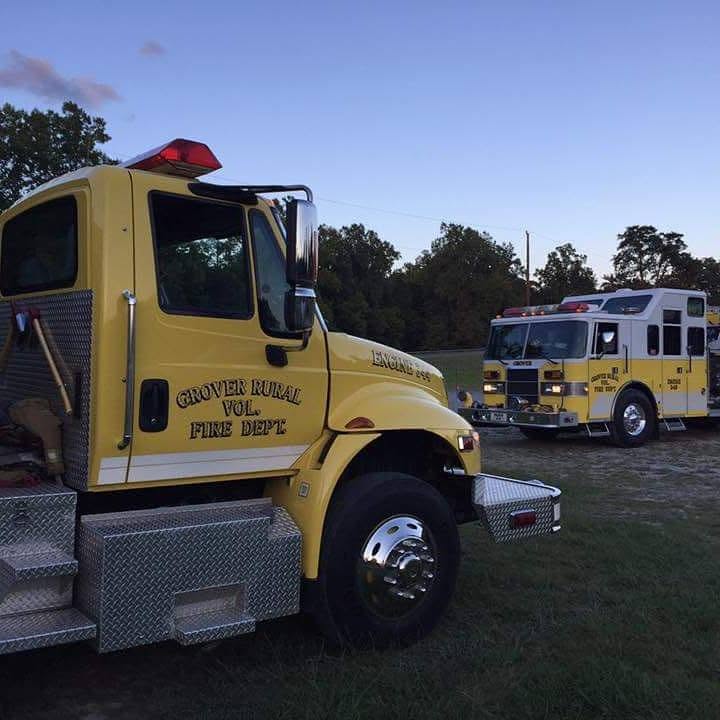
- Fire Department Functions: Fire departments perform various functions, including fire suppression, emergency medical services, search and rescue, hazardous materials response, public education, fire prevention, and community outreach to ensure public safety and welfare. Firefighters are trained to respond to fires, emergencies, and disasters with professionalism, skill, and dedication to protect lives and property.
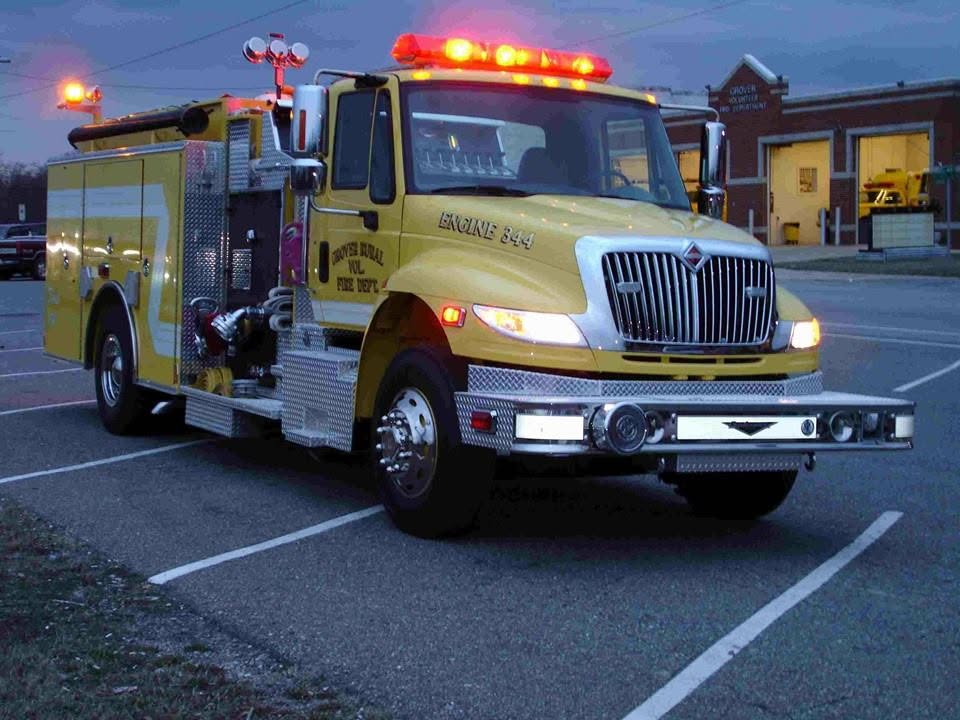
- Fire Station Structure: Fire departments are organized into fire stations located strategically within communities to provide rapid emergency response and coverage. Fire stations house fire apparatus, equipment, and personnel, serving as operational bases for firefighters to respond to incidents, conduct training, and maintain readiness for emergencies.
- Firefighter Services: Firefighters deliver a range of services to communities, including fire suppression, medical aid, rescue operations, fire prevention programs, public education initiatives, and community engagement activities. Firefighters are trained to handle diverse emergency situations, respond to incidents efficiently, and provide assistance to individuals in need during crises.
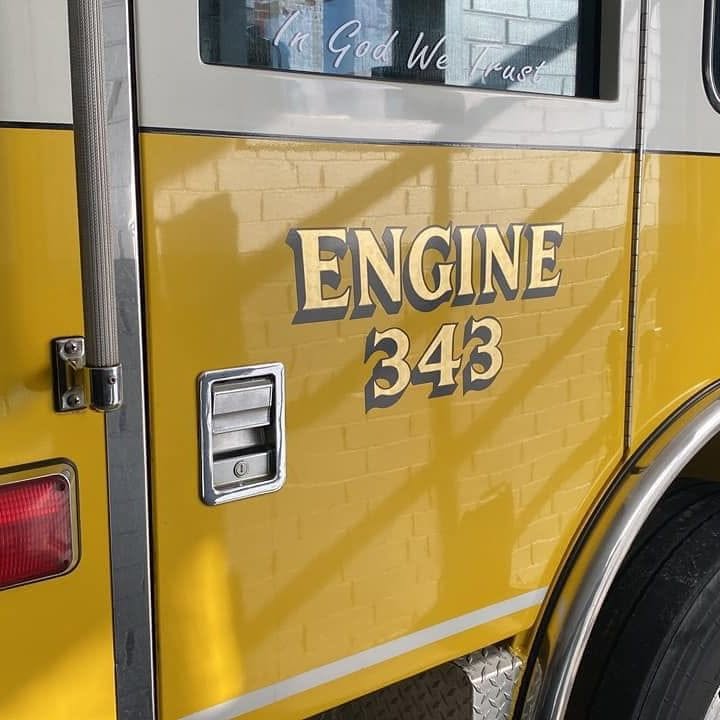
- Emergency Response Capabilities: Fire departments maintain emergency response capabilities to address fires, medical emergencies, hazardous materials incidents, natural disasters, and other critical incidents. Firefighters are equipped with specialized tools, equipment, and training to perform rescue operations, provide first aid, and mitigate risks in emergency situations to protect life and property.
- Incident Command Structure: Fire departments utilize incident command structures to manage emergency incidents, establish command hierarchies, and coordinate response efforts effectively. Incident commanders, operations personnel, and support staff work together to organize resources, assign responsibilities, and ensure a coordinated response to emergencies.
- Training and Professional Development: Firefighters undergo continuous training, certification, and professional development to enhance their skills, knowledge, and readiness for emergency response. Training programs cover firefighting techniques, rescue operations, medical aid procedures, equipment operation, incident management, and safety protocols to prepare firefighters for the demands of the job.
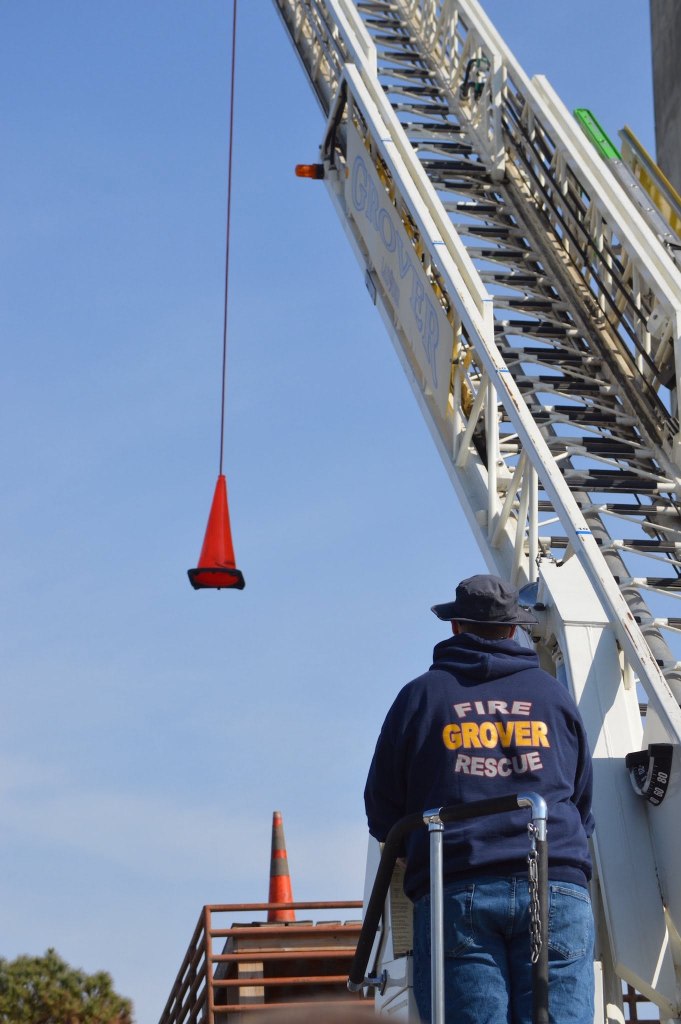
- Community Safety Initiatives: Fire departments engage in community safety initiatives, public education campaigns, and fire prevention programs to raise awareness about fire hazards, safety practices, and emergency preparedness. Community safety initiatives aim to empower individuals, schools, businesses, and organizations to prevent fires, protect lives, and create safer environments for all.
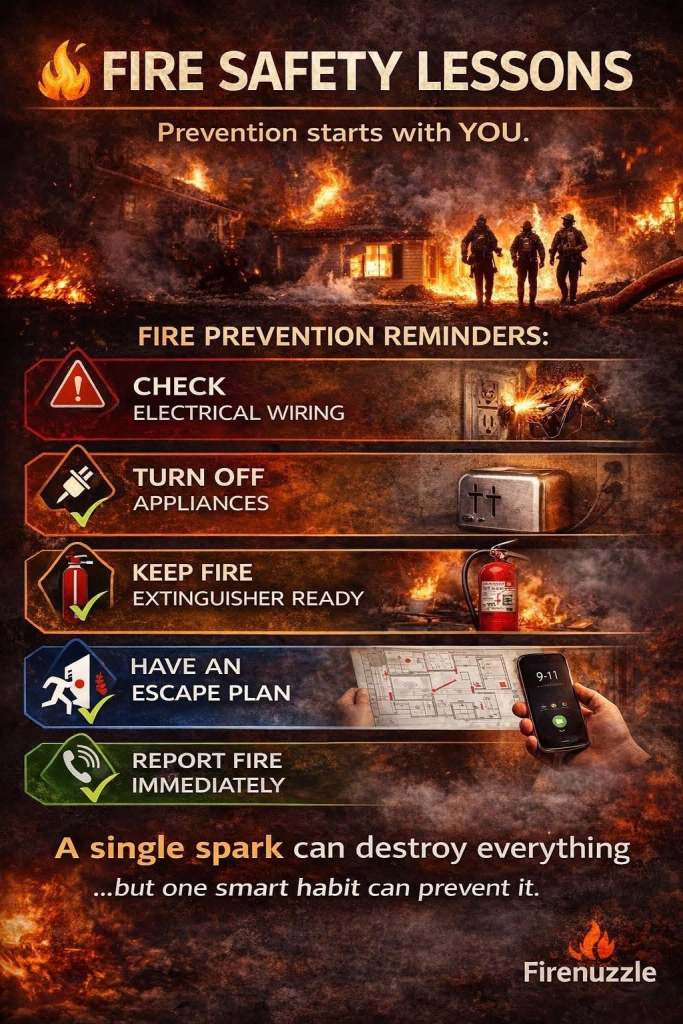
- Fire Prevention Efforts: Fire departments lead fire prevention efforts by conducting fire inspections, enforcing fire codes, promoting safety standards, and educating the public about fire risks and prevention measures. Fire prevention programs focus on reducing fire hazards, increasing safety awareness, and fostering a culture of fire safety in communities.
- Mutual Aid and Collaborative Partnerships: Fire departments collaborate with neighboring agencies, mutual aid organizations, and emergency services to provide mutual aid, support, and assistance during large-scale incidents, disasters, or emergencies. Mutual aid agreements, interoperable communication systems, and joint training exercises enhance coordination and resource sharing among agencies.
- Public Trust and Community Support: Fire departments build public trust, establish community partnerships, and foster positive relationships with residents, businesses, and stakeholders to enhance safety, preparedness, and resilience in communities. Public trust, transparency, and engagement are vital for maintaining effective communication, cooperation, and trust in fire department services.
“The role of a firefighter is to run where others run away,”
Rudy Giuliani

